Ever feel like you’re just scratching the surface of a new city, or that a birthday party needs an extra dash of magic? Imagine transforming an ordinary stroll into an epic quest, or a family gathering into a thrilling mystery. This is the essence of a Jeu de Piste – a French term meaning "game trail" or "track game" – an engaging adventure that combines exploration, problem-solving, and a whole lot of fun. Far more than a simple walk, a Jeu de Piste invites participants of all ages to embark on a guided journey, unraveling clues and overcoming challenges to reach a final objective.
Whether you're planning an unforgettable celebration for children, a unique team-building event for adults, or simply looking for an innovative way to discover your surroundings, Jeux de Piste offer an unparalleled experience. This ultimate guide will demystify the concept, reveal its many benefits, explore the diverse types available, and even show you how to craft your own exciting adventure.
What Exactly is a Jeu de Piste? Unraveling the Adventure
At its heart, a Jeu de Piste is an interactive adventure game where participants follow a carefully designed sequence of clues and tasks, leading them step-by-step through a specific environment. Unlike a traditional scavenger hunt, where the primary goal might be to find a single hidden item, a Jeu de Piste emphasizes the journey itself. The objective is often to reach a particular location, uncover a secret message, or collectively complete a mission by progressing through a series of stages.
Think of it as an unfolding narrative, where each clue acts as a breadcrumb, guiding you to the next point of interest. These clues can take many forms: riddles, puzzles, observation challenges, physical tasks, or even directions on a map. As you solve one, it reveals the path to the next, building momentum and excitement until the final solution or destination is revealed. This dynamic progression ensures constant engagement, making participants active protagonists in their own story rather than passive observers.
Why Embrace the Trail? The Myriad Benefits of Jeux de Piste
The appeal of Jeux de Piste extends far beyond simple entertainment. These adventure games offer a wealth of advantages for individuals and groups, fostering development, collaboration, and unforgettable memories.
For Children: Growth Through Play
For younger adventurers, a Jeu de Piste is a fantastic way to channel their boundless energy into a structured, purposeful activity. It’s an ideal choice for birthdays, family gatherings, or holiday entertainment, offering a refreshing, screen-free alternative. Here’s why it’s so beneficial:
- Engaging & Active Fun: Keeps children occupied and moving, preventing boredom and fostering a healthy lifestyle.
- Cognitive Development: Challenges young minds with riddles, logic puzzles, and observational tasks, sharpening critical thinking and problem-solving skills.
- Social Skills & Teamwork: Encourages communication, cooperation, and mutual aid as children work together to decipher clues and overcome obstacles. This collective mission helps limit disputes and promotes a spirit of camaraderie over competition.
- Imagination & Creativity: Thematic jeux de piste, like pirate quests or spy missions, ignite imagination, allowing children to immerse themselves in exciting fantasy worlds.
- Memorable Moments: Creating a shared adventure leaves lasting impressions and cherished memories, especially for special occasions. If you’re planning a birthday, you’ll find invaluable tips on how to Organize the Perfect Game Trail for Kids' Birthdays.
For Adults & Groups: Exploration & Connection
Jeux de Piste are not just for kids; they offer sophisticated and equally rewarding experiences for adults, corporate teams, and groups of friends:
- Unique Exploration: Discover cities, neighborhoods, or natural parks in an entirely new, interactive way. It transforms sightseeing into an active quest.
- Team Building: Excellent for corporate outings, fostering collaboration, strategic thinking, and leadership skills in a fun, low-pressure environment.
- Social Bonding: Strengthens relationships among friends and family through shared challenges and triumphant moments.
- Mental Stimulation: Engages critical thinking and problem-solving, providing a refreshing break from routine.
- Adaptability: Easily tailored to different environments and group sizes, from intimate gatherings to large events.
Diverse Worlds of Discovery: Types of Jeux de Piste
The versatility of Jeux de Piste is one of their greatest strengths. They can be adapted to almost any setting, theme, and technological preference, ensuring there’s an adventure for everyone.
1. Location-Based Adventures
- Outdoor Exploration: Perfect for making the most of parks, forests, beaches, or even urban centers. Participants might navigate using maps, follow natural markers, or solve riddles related to local landmarks. These can be self-guided or led by an animator.
- Indoor Missions: Ideal for smaller spaces like homes, museums, or dedicated activity venues. These often take the form of mini-investigations or escape-room style puzzles, using objects within the space as clues.
2. Thematic Journeys
A compelling theme elevates a simple game into an immersive experience. Popular themes include:
- Pirate Quests: Searching for hidden treasure maps and ancient artifacts.
- Spy Missions: Deciphering secret codes and uncovering conspiracies.
- Historical Expeditions: Learning about a location's past through a series of discoveries.
- Fantasy Realms: Embarking on magical journeys with mythical creatures and enchanted clues.
3. Technological Integrations
Modern technology has opened new frontiers for Jeux de Piste:
- Digital & Interactive: Utilizing tablets or smartphones, these games often incorporate GPS, augmented reality, and multimedia clues, providing dynamic real-time interaction and progress tracking.
- Geocaching: A popular form of digital treasure hunting that uses GPS coordinates to find hidden containers (geocaches) in specific outdoor locations.
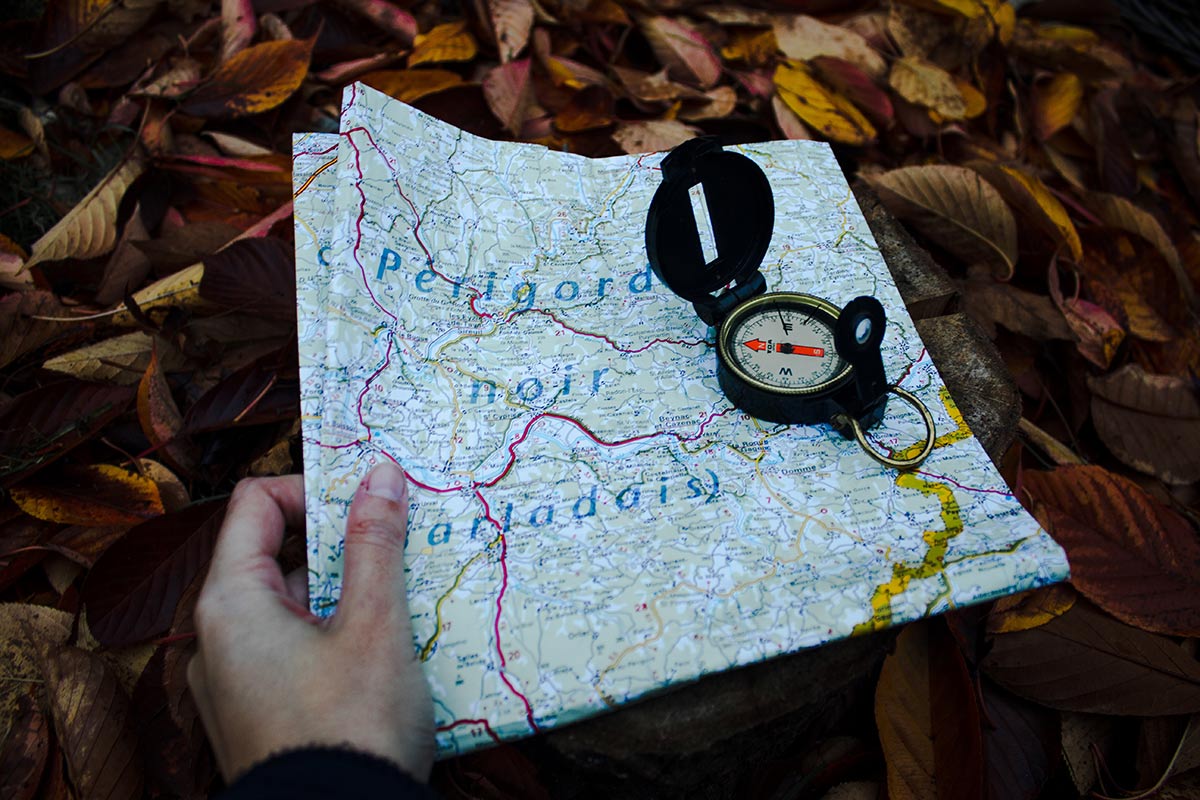
- Classic & Analog: Embracing traditional methods like paper roadbooks (feuilles de route), physical maps, and compasses offers a charming, tactile experience and can even teach valuable navigation skills.
Whether you prefer a high-tech urban quest or a rustic forest exploration, there's a Jeu de Piste style to match your adventurous spirit.
Crafting Your Own Adventure: How to Organize a Jeu de Piste
Organizing a successful Jeu de Piste might seem daunting, but with a structured approach, it's incredibly rewarding. Here's a step-by-step guide to help you create an engaging adventure:
1. Define Your Audience and Objective
Consider the age, interests, and physical capabilities of your participants. What's the occasion? A child's birthday, a team-building exercise, or a leisurely family activity? This will determine the complexity, theme, and duration of your game.
2. Choose a Captivating Theme and Storyline
A strong narrative hooks players. Whether it's "solving the mystery of the missing cake" or "recovering a lost artifact," a clear story provides context and motivation. Create a character or a compelling problem that players need to help solve.
3. Select Your Location Wisely
Identify a suitable space – your home, a local park, a neighborhood, or a specific venue. Ensure it's safe, accessible, and large enough for the intended route. Familiarity with the location helps in clue placement.
4. Design the Route and Clues
- Start and End Points: Clearly define where the adventure begins and concludes.
- Clue Sequence: Create a logical, progressive trail. Each clue should lead clearly to the next location or challenge. Aim for 5-10 clues for a good flow, depending on the duration.
- Variety is Key: Mix different types of clues – riddles, observation tasks (e.g., "What color is the front door of the bakery?"), simple puzzles, or even physical mini-challenges (e.g., "Find something round and something rough").
- Age-Appropriate Difficulty: Ensure clues are challenging but solvable for your target audience. For younger children, visual clues or simple matching tasks work well.
- Materials: Prepare all necessary props: clue cards, pens, paper, maps, small tools, or even costumes to enhance the theme.
5. Integrate Challenges and Obstacles
Beyond simply finding the next clue, introduce tasks that require collective effort or problem-solving. This could be a small jigsaw puzzle, a memory game, or a creative task related to the theme.
6. Determine the Final Solution or Reward
What is the ultimate goal? It could be finding a "treasure" (a small prize, candy, or a symbolic item), unlocking a secret message, or simply completing the "mission." The satisfaction of achieving the objective is often the best reward.
7. Test and Refine
Before the big day, run through the entire game yourself. Check that clues are clear, locations are accessible, and the flow is smooth. This helps identify any ambiguities or potential roadblocks.
8. Facilitate the Experience
If you're organizing for others, be present to guide, offer hints when necessary, and ensure everyone is having a good time. Your enthusiasm is contagious! For more comprehensive ideas and benefits for all ages, check out our detailed Jeu de Piste Guide: Best Ideas & Benefits for All Ages.
Jeux de Piste are more than just games; they are gateways to discovery, learning, and shared joy. Whether you choose a pre-designed kit or craft a bespoke adventure from scratch, these engaging activities promise an enriching experience for everyone involved. So, gather your team, sharpen your wits, and prepare to embark on your next great adventure!